


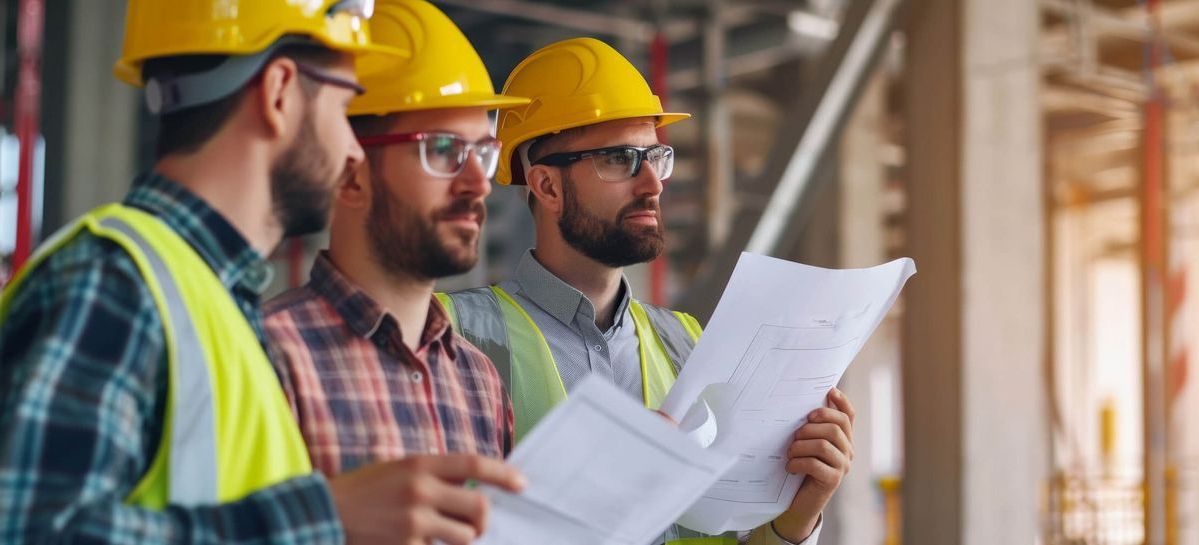
WHS obligations for construction businesses
May 29, 2026

Under the model Work Health and Safety Act, a person conducting a business or undertaking (PCBU) has a primary duty of care to ensure the health and safety of workers and others affected by the work. In construction, this duty extends across the full chain — from principal contractors and subcontractors to designers, manufacturers, and suppliers of plant and materials.


The critical point many businesses miss is that duties are non-delegable and can be shared. Engaging a subcontractor does not transfer your WHS obligations to them. If you have influence or control over how the work is carried out, you carry a duty alongside every other party in the chain.


What construction safety management actually involves

Compliance with WHS construction obligations goes beyond having a safety policy on your website. It requires a documented safety management system that is actively implemented, monitored, and reviewed. This includes risk assessments, SWMS for high-risk construction work, emergency plans, incident reporting, and consultation mechanisms with workers.


The regulators are not just checking whether you have the paperwork. They are assessing whether your construction safety management system is functioning — whether workers are consulted, whether identified risks are being controlled, and whether corrective actions are followed through. A system that exists only on paper is a liability, not a defence.

Construction worker in a hard hat and safety vest using a tablet at a building site.


Integrating risk management into project delivery

Risk management in construction should not sit in a separate register that gets reviewed at monthly meetings and forgotten in between. The most effective approach integrates risk conversations into daily planning — at pre-starts, during coordination meetings, and whenever scope or conditions change.


This means project managers, supervisors, and leading hands all need to understand how to identify and escalate risks in real time, not just how to fill in an assessment form. When construction risk management becomes a shared language across the project team, you catch issues earlier and make better decisions under pressure.


Why consultation matters on construction sites

Worker consultation is one of the most commonly underestimated WHS obligations in construction. The legislation requires you to consult with workers who are, or are likely to be, directly affected by a health and safety matter. That means involving them in risk assessments, changes to work procedures, decisions about PPE, and the selection of health and safety representatives.


Consultation is not the same as instruction. Telling workers what the controls are is not consultation — it is communication. Genuine consultation means giving workers the opportunity to raise concerns, contribute to solutions, and influence the decisions that affect their safety. Getting this right is both a legal requirement and a practical advantage.

Construction worker in a hard hat and safety vest using a tablet at a building site.


Strengthening site control through WHS mastery

In the construction industry, technical mastery of work health and safety in construction means ensuring your influence on-site is as solid as the structures you build. After all, the only thing more expensive than a robust construction safety management system is the forensic investigation that follows a failure.


If you want to better understand the legal levers of your project, Back to Basics Business Training is your partner in professional development. We’ve been helping construction leaders navigate these complexities for nearly 30 years.


Contact us today to enrol in SCB11 – Safety & Risk Management.

May 29, 2026
Explore construction careers for women in Australia. From project management to site supervision, discover the opportunities and qualifications to get started.
May 29, 2026
Discover how Watermark Construction project managers in Queensland used accredited training to grow their careers with our nationally recognised training across Australia.
More Posts