WHS requirements for builders: What you need to know
May 29, 2026

Builders in Australia hold significant responsibilities under Work Health and Safety (WHS) laws.


As a Person Conducting a Business or Undertaking (PCBU), a builder is generally responsible for ensuring workers, subcontractors and members of the public are not exposed to unnecessary health and safety risks during construction work.


Importantly, engaging subcontractors does not remove these responsibilities.


If you still influence or control how work is carried out on-site, you may continue sharing legal responsibility for safety outcomes across the project.

That is why understanding WHS obligations is not just a compliance issue — it is a major part of managing construction projects properly.


Back to Basics supports construction professionals through practical training focused on WHS, site supervision and construction compliance across Australian projects.



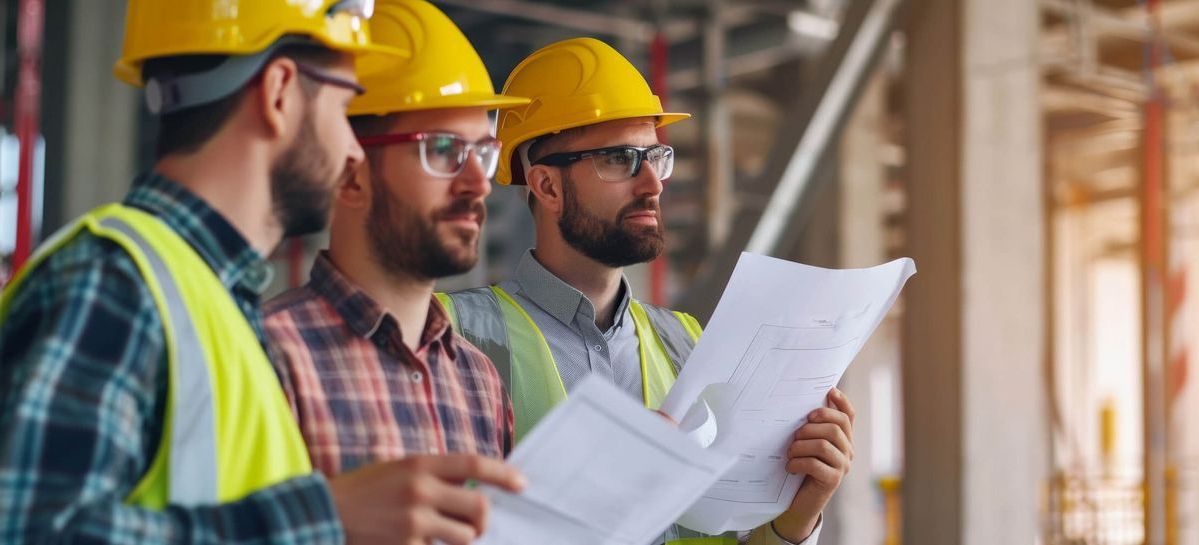
What construction safety compliance looks like in practice

Compliance requires a functioning safety management system that is actively implemented on every project. To achieve this, you must maintain:

  • Safe Work Method Statements (SWMS): Mandatory for all high-risk construction work.
  • Site-Specific Inductions: Ensuring every person on-site understands specific local hazards.
  • Worker Consultation: Actively engaging with your team to identify risks before they cause harm.


Regulators assess whether your construction safety system is genuinely working. They look for evidence of worker consultation, effective hazard controls, and followed-through corrective actions. Ultimately, a builder who can demonstrate active implementation is in a far stronger position than one relying on generic templates.

Construction worker in a hard hat and safety vest using a tablet at a building site.


Emerging 2026 standards and high-risk changes

As the industry evolves, staying current with legislative shifts is vital. Notably, from 1 July 2026, the national threshold for high-risk construction work regarding falls will be lowered from three metres to two metres. This change means a SWMS will be mandatory for a significantly wider range of tasks, particularly in residential roofing and framing. 


Furthermore, 2026 marks a major shift in health standards. On 1 December 2026, Australia will officially transition from Workplace Exposure Standards to Workplace Exposure Limits (WEL). This update introduces stricter protections for airborne contaminants like silica dust. Additionally, builders are now legally required to manage psychosocial hazards—such as excessive job demands, bullying, and fatigue—with the same diligence as physical risks.


The consequences of non-compliance

Strong WHS compliance is critical in the construction industry  to protect workers and maintain compliance, with serious consequences for businesses that fail to meet safety standards. Failing to meet WHS standards can lead to the following:

  • Improvement or prohibition notices that stop work immediately and cause major project delays.
  • Serious breaches may result in multi-million dollar fines or custodial sentences under industrial manslaughter laws.
  • Safety incidents can severely damage your professional reputation.


Equip yourself with the knowledge to manage a compliant, professional site. Our Certificate IV in Building and Construction (CPC40120) covers the latest WHS legislative requirements and structural principles. Build a safer future—enrol with Back to Basics Business Training today.

Construction worker in a hard hat and safety vest using a tablet at a building site.
May 29, 2026
Explore construction careers for women in Australia. From project management to site supervision, discover the opportunities and qualifications to get started.
May 29, 2026
Discover how Watermark Construction project managers in Queensland used accredited training to grow their careers with our nationally recognised training across Australia.
More Posts