

Environmental management plans for construction sites
May 29, 2026

An environmental management plan (EMP) outlines how construction sites manage environmental risks throughout a project.


Construction activities can create impacts such as dust, noise, erosion, spills and waste. An EMP helps site teams identify these risks early and establish practical procedures to reduce environmental issues during construction.


Good environmental-management practices support safer, cleaner and more organised construction sites while helping projects meet environmental and compliance requirements.


Back to Basics supports construction professionals through practical training focused on environmental management, waste handling and site-management processes used across residential and commercial construction projects.


What does an environmental management plan include?

Environmental management plans usually contain a range of procedures designed to control environmental risks across the site.


Common components of an EMP may include:

  • Waste-management procedures
  • Dust and noise control measures
  • Spill response processes
  • Erosion and sediment controls
  • Site inspection schedules
  • Environmental reporting requirements
  • Roles and responsibilities for site personnel


These procedures help construction teams maintain consistent environmental controls throughout the project.

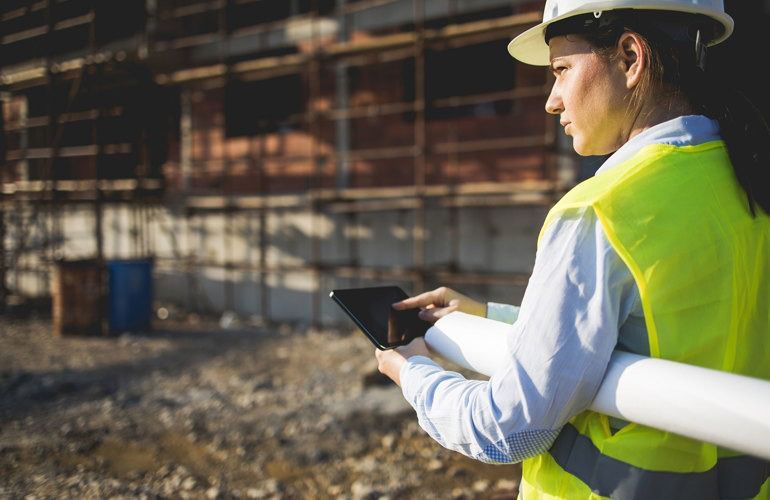
Construction worker in a hard hat and safety vest using a tablet at a building site.


Managing construction waste on site

Waste management is an important part of any environmental management plan.

Construction sites often generate materials such as:

  • Concrete and bricks
  • Timber offcuts
  • Metal and steel waste
  • Packaging materials
  • Excavation spoil and soil


Without proper handling, construction waste can create safety hazards, environmental issues and unnecessary disposal costs.


Many construction projects use practical waste-management systems such as:

  • On-site waste sorting
  • Dedicated recycling bins
  • Licensed waste contractors
  • Material reuse where possible
  • Clear disposal procedures for hazardous materials


Well-organised waste systems help improve site safety, reduce contamination and support environmental compliance requirements.


Learn more about environmental management in construction

Understanding environmental-management processes can help construction professionals improve site organisation, reduce environmental risks and support safer, more efficient construction projects.


If you are looking to master these responsibilities, Back to Basics Business Training offers SCB6 – Environmental Issues & Waste Management. With nearly 30 years of experience in providing nationally accredited training, we equip professionals with the technical skills needed to manage the complexities of modern construction sites.


Enrol today to take the lead in site environmental management.

Construction worker in a hard hat and safety vest using a tablet at a building site.
May 29, 2026
Explore construction careers for women in Australia. From project management to site supervision, discover the opportunities and qualifications to get started.
May 29, 2026
Discover how Watermark Construction project managers in Queensland used accredited training to grow their careers with our nationally recognised training across Australia.
More Posts